A dependable water heater makes everyday tasks such as showering, washing dishes, and doing laundry easier. When hot water becomes inconsistent or the unit starts making unusual noises, homeowners must decide whether a repair will solve the problem or whether replacing the system makes more sense.
Understanding the warning signs, the water heater’s age, and the likely repair costs can help you make a practical decision. For homeowners considering water heater repair in Fresno, CA, knowing what to look for can help identify the problem and determine when professional evaluation is worthwhile.
Common Signs Your Water Heater Needs Attention
Water heaters often show signs of trouble before they stop working entirely. Recognizing these changes early can help prevent further damage and restore reliable hot water.
Inconsistent temperatures may indicate a thermostat issue, a heating element problem, or sediment buildup inside a tank. Water that takes longer than usual to heat can also signal reduced performance.
Unusual popping or rumbling sounds may occur when sediment collects at the bottom of a tank. Rust-colored water can indicate corrosion somewhere in the plumbing or water heater, while moisture around the unit may point to a leak. Each symptom has different possible causes, so a professional inspection can help establish the source.
When Water Heater Repair Is the Better Option
Repair is often worth considering when the problem is limited to a replaceable component and the rest of the system remains in good condition. A faulty thermostat, heating element, or other serviceable part may be responsible for poor performance.
The water heater’s age and maintenance history also matter. A relatively newer unit that has received appropriate care may have plenty of useful service life remaining. If the fault is straightforward and the repair cost is reasonable, repairing the existing system may be the more economical choice.
However, the same symptom can have different causes. A lack of hot water, for example, does not automatically mean the entire unit has failed. A qualified technician can diagnose the issue and explain whether a repair is likely to provide a reliable solution.
When Replacement Makes More Sense
Replacement becomes a stronger option when the water heater is nearing the end of its expected service life, requires repeated repairs, or has developed significant internal corrosion.
A leaking storage tank is a particularly important warning sign. If the tank itself has deteriorated, repairing an external component is unlikely to resolve the underlying problem. A professional should determine the source of the leak before you decide what to do next.
Frequent breakdowns can also make an older system expensive to maintain. Even when individual repairs appear manageable, repeated service calls and continued poor performance may make replacement a more practical long-term decision.
Energy use is another factor. An older or poorly functioning water heater may consume more energy than necessary. A replacement could offer improved efficiency, but potential savings depend on the existing equipment, the new system, energy rates, and household usage.
Factors to Compare Before Making a Decision
There is no single rule that determines whether every water heater should be repaired or replaced. Consider the following factors together:
- Age and condition: Older equipment may be closer to the end of its useful life, particularly if maintenance has been inconsistent.
- Repair cost: Compare the repair estimate with the cost of installing a suitable replacement, including any necessary modifications.
- Frequency of breakdowns: Repeated failures may indicate that continued repairs are becoming less practical.
- Energy efficiency: Consider whether a newer model could reduce energy use enough to justify the initial expense.
- Household hot water needs: Evaluate how much hot water your household uses and whether the existing system meets those needs.
- Warranty and maintenance history: Check whether the equipment is still covered by a warranty and whether previous service records reveal recurring problems.
These factors provide a useful starting point, but the final decision should reflect the unit’s actual condition and your budget.
Tank vs. Tankless: Does the Type Matter?
The type of water heater can influence both repair and replacement decisions. Traditional tank systems store heated water for later use. They are familiar to many homeowners, but their storage tanks can eventually corrode or develop leaks.
Tankless water heaters heat water on demand rather than storing a large volume. They can offer space-saving advantages, although their maintenance requirements and installation considerations differ from those of tank systems.
Neither type is automatically the best choice for every home. Household size, hot water demand, available space, energy source, and installation requirements all affect suitability. If replacement is necessary, ask a qualified professional to compare appropriate options based on your home’s needs.
Why Professional Diagnosis Matters
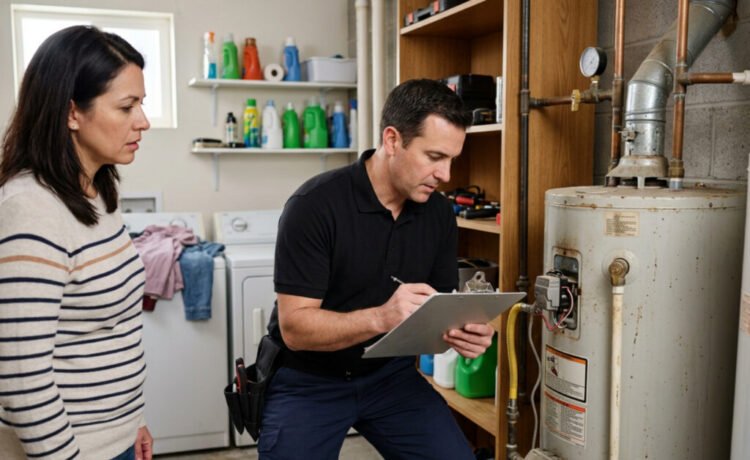
Some water heater problems are difficult to identify without inspecting the equipment. A technician can check the heating components, controls, connections, and signs of corrosion to determine what is causing the malfunction.
Professional assessment is especially important when there is water leaking near electrical components, a suspected gas leak, or another potential safety hazard. If you smell gas, leave the area and contact your gas utility or emergency services from a safe location. Do not attempt to troubleshoot gas equipment yourself.
Avoid opening electrical compartments or attempting repairs beyond your experience. An accurate diagnosis can help you understand the available options, compare costs, and avoid paying for a replacement when a suitable repair may be sufficient.
Final Thoughts
Choosing between water heater repair and replacement depends on the unit’s age, condition, repair costs, and ongoing performance. A repair may be sensible for an isolated fault, while significant corrosion, repeated breakdowns, or a leaking tank may make replacement the better option.
Before committing to either choice, arrange a professional diagnosis and compare the estimated costs and long-term implications. For homeowners considering water heater repair in Fresno, CA, a clear assessment of the problem is a practical first step toward restoring dependable hot water.